
Sovereign.
Between March and June 2026, during a five-month self-directed residency in Nepal, Sab undertook professional training in traditional Thangka painting under the guidance of Thangka master Manoj Lama at Mental Paradise Thangka School in Pokhara, Gandaki Province. The school is one of two secular spaces for traditional, freehand (non-tracing) Thangka and mandala painting techniques in Nepal, learned for both ritual and personal practice.
During daily studio instruction, Meynert completed two traditional paintings while developing a disciplined foundation in Tibetan methods of composition, symbolism, mineral pigment application, and energetic stewardship through visual practice. After reviewing original drawings from Meynert's forthcoming publication Infinite Unfolding, Lama encouraged the study as a means of deepening an already intuitive artistic language through the formal lineage of Tibetan visual tradition.
Here you can see the second work made in studio entitled Sovereign, plus some of the process in generating one of the two works made during her training.
*as always, best viewed on a desktop!
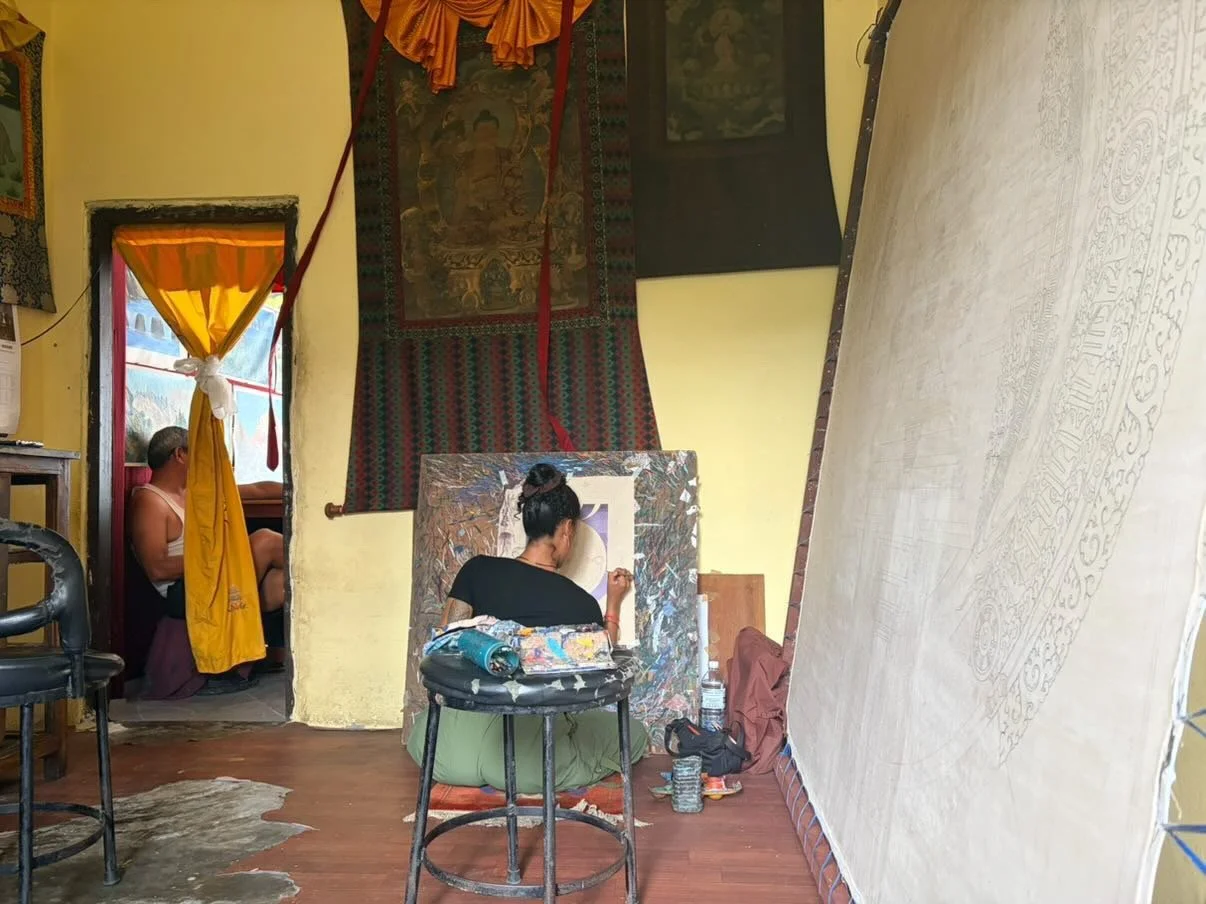
In-Studio shot by Anita Nicholls.
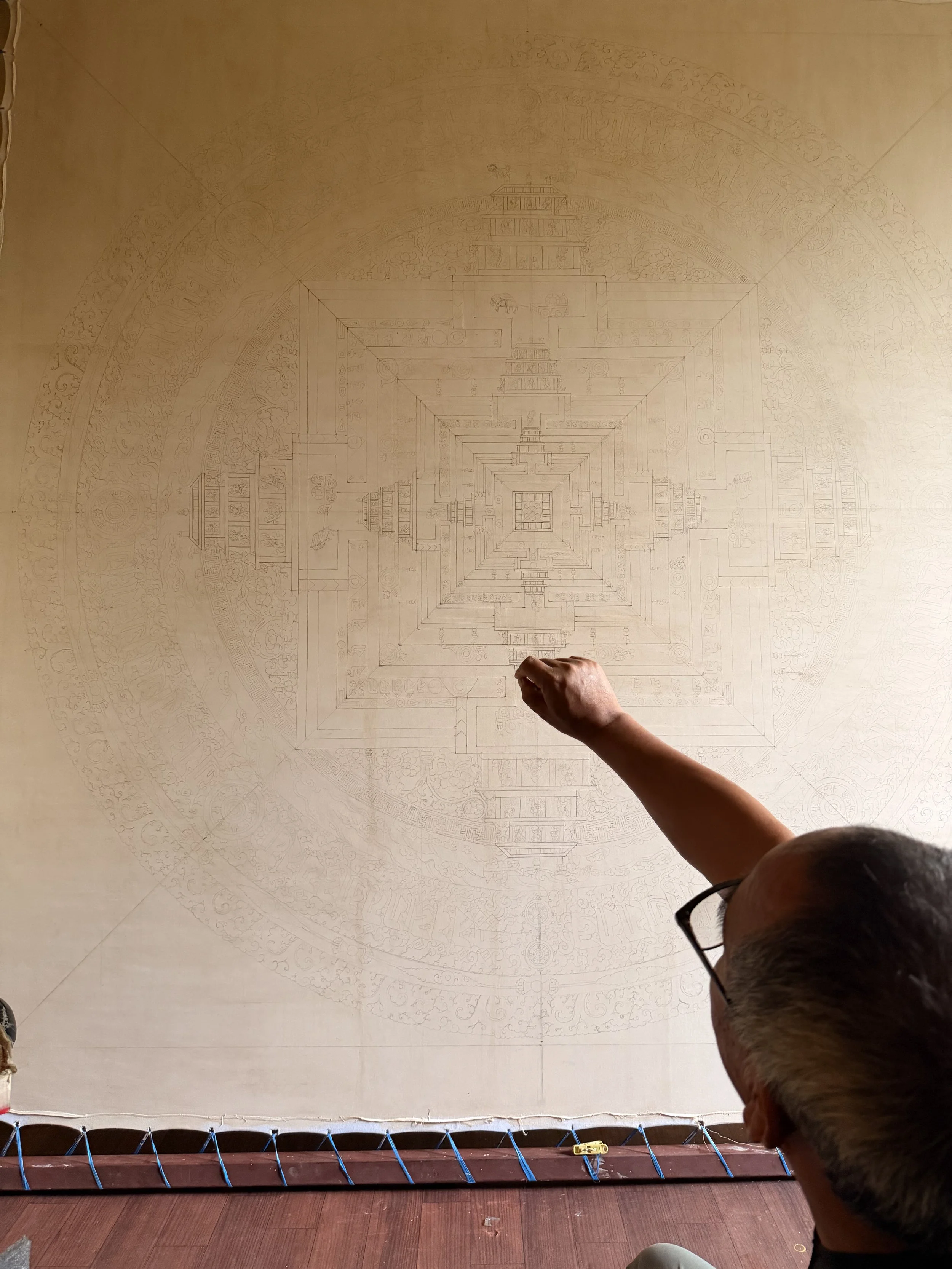
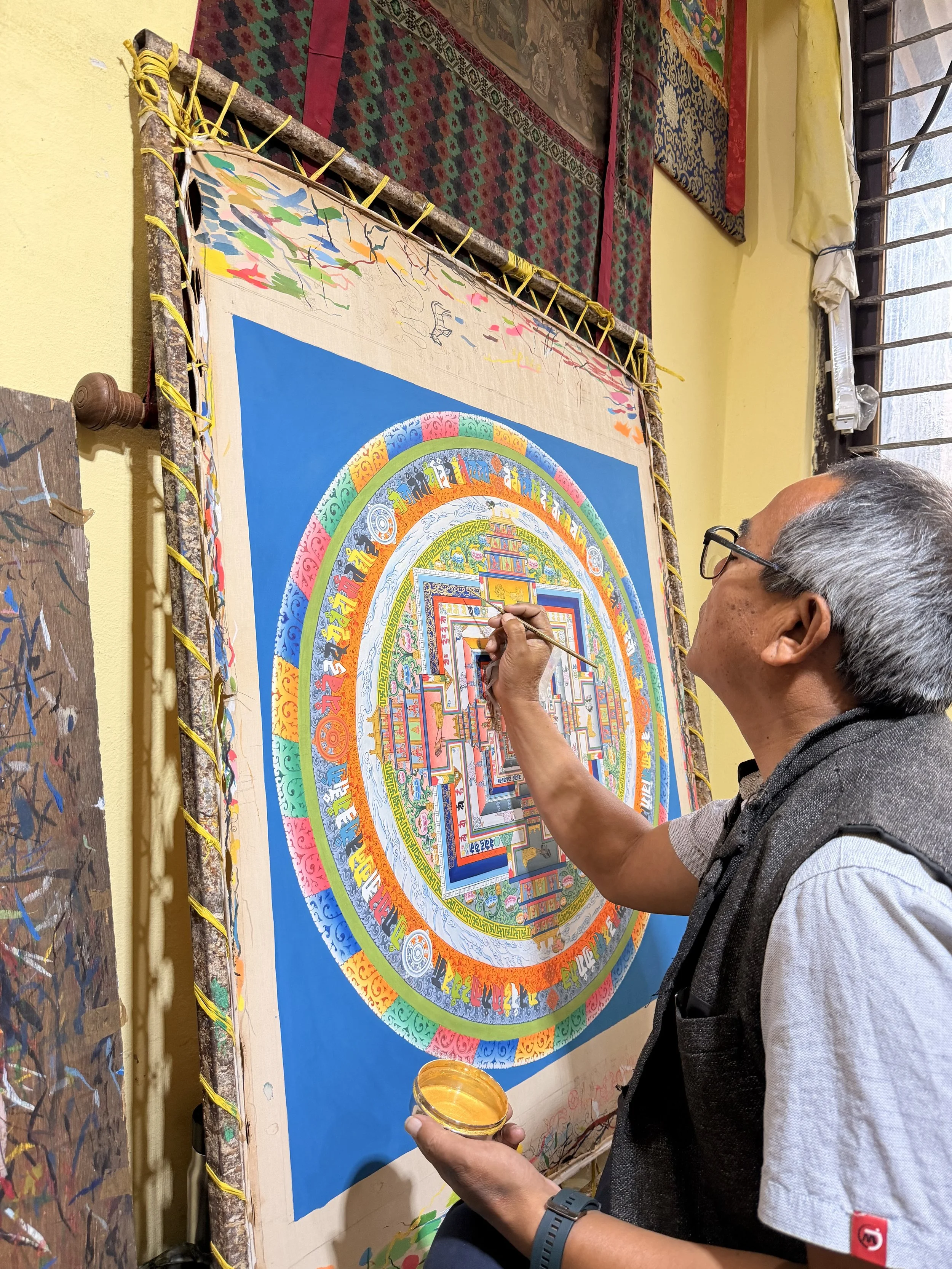
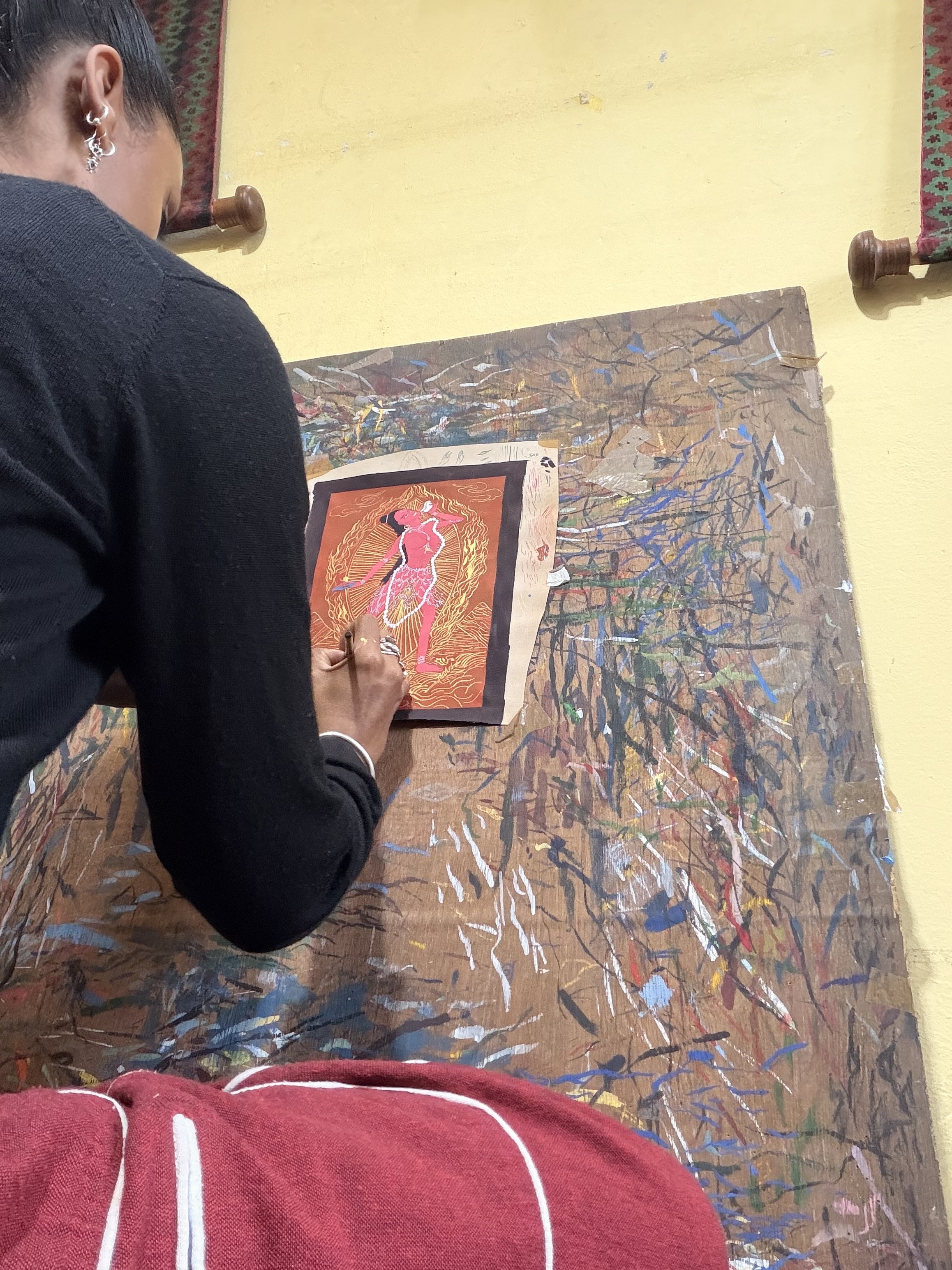
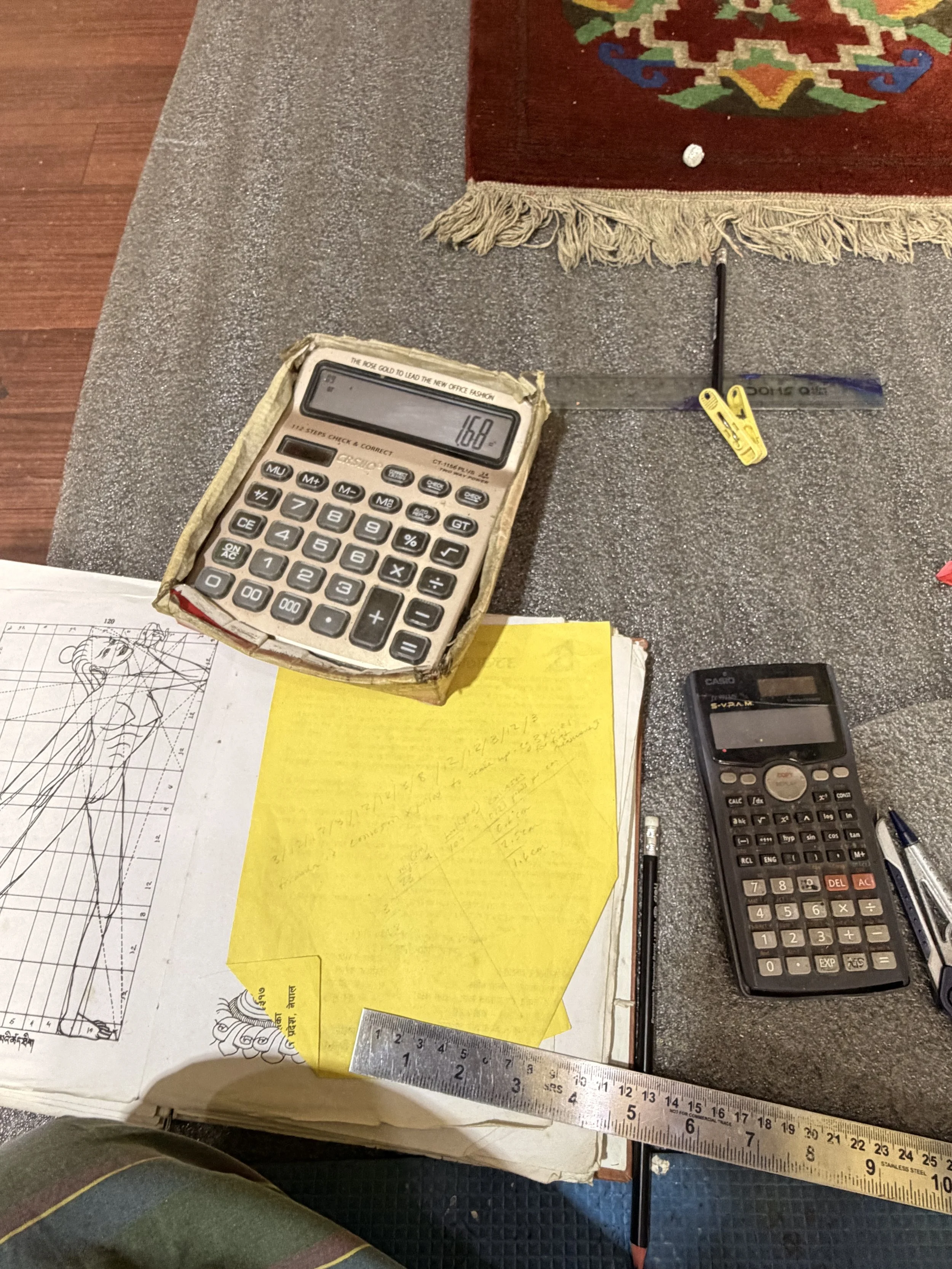
Sab trained alongside Thangka master and mentor Manoj Lama in a small studio setting with one other student. Sacred deity compositions were executed entirely freehand according to traditional proportional canons, using precise mathematical relationships carried out through repetitive calculation, observation and practice. The use of tracing methods or grid systems was not permitted, emphasizing disciplined draftsmanship and the development of visual memory.
After completing her first piece depicting Vajrayogini, the ultimate deity of feminine power, ferocious protection, and vindication of suffering through the emancipation of women, children, and survivors, Master Lama gave Sab permission to embark on an unusually self-determined project……
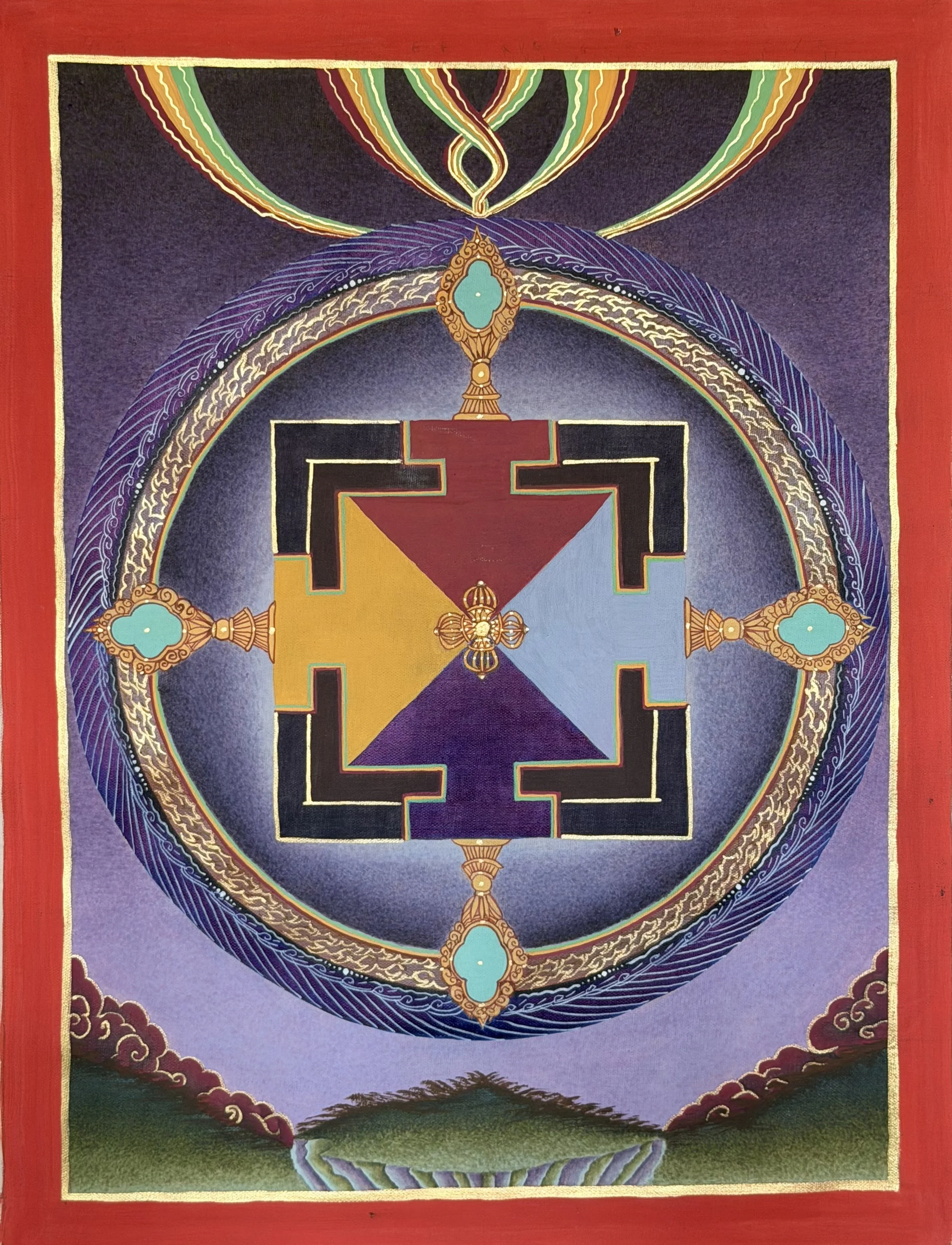
Sovereign.
Crystal Pigment, 24-kt Gold Ink, Vermillion, on Natural Handmade Tibetan Canvas, 2026
Symbolic Framework
As with traditional Thangka work and Sab’s own practice framework, every compositional decision including colour, orientation, geometry, and iconographic elements were considered both their formal role within the tradition and for a relationship to the work's central intention: ancestral liberation, protection, and the continuity of an indestructible energetic essence carried through Sab's lineage into the present as a member of the Sri-Lankan Tamil / Burgher diaspora.
A rainbow path echoing DNA strands, representing the continuity of ancestral memory through an enlightened state, serves as a visual conduit between realms, leading toward a four-directional kyil khor (དཀྱིལ་འཁོར།). At its centre rests a vajra (dorje, རྡོ་རྗེ།), a traditional south-southeast asian ritual symbol of indestructibility, weaponized fortitude, and adamantine protection. The inclusion of the vajra also reflects a recurring object within Sab's own meditative practice and holds ancestral weight as a person from deep Vedic roots displaced by genocide - An object that appeared in her life years before she became familiar with its significance across cultural traditions.
With Master Lama's direction, four ritual mirrors (me long, མེ་ལོང) were flanked strategically within the composition. Within Tibetan funerary traditions, mirrors may be used in relation to the Bardo as instruments of recognition and protection. Here, they function as vehicles of compassionate transition, containment, and reflection to those who have passed and for any personal energies needing transformation when viewing the piece, while also extending Sab's longstanding artistic investigation of liminal states and the spaces between life, memory, and transformation.
Rather than depicting the arid landscapes traditionally associated with Tibet, the composition is out of ordinary arrangement placing the symbolic water outside and enclosing the fire and earth planes towards the centre plane. The piece also evokes the lush terrain of இலங்கை (Ilangai, “Sri Lanka”), the homeland of Sab's lineage. Deep fertile hills lined with burning red cloud formations establish an ancestral landscape of refuge, transformation, and belonging while remaining integrated within the compositional principles of traditional Thangka painting.
The purple background was chosen in consultation with Master Lama to reinforce the work's emphasis on expanded awareness, spiritual integration, and contemplative space, completing a composition in which Tibetan iconography and Sab's symbolic language were developed together through sustained mentorship and collaborative refinement.
Following traditional studio methods, with Master Lama's encouragement and permission, 24-karat gold pigment was incorporated into the painting - an honour typically reserved for students demonstrating a high degree of technical proficiency and years of devoted practice.
Its application fortifies key symbolic elements while continuing a longstanding ritual tradition within Tibetan painting as vehicle for energy.
To complete the work, a border of vermilion pigment was applied to ritually seal the composition according to traditional practice. Lama subsequently inscribed mantras on the reverse of the painting, completing its consecration in accordance with Tibetan custom and transforming it from a painted image into an object intended for contemplative and ritual use.
Following the completion of her first traditional Thangka study of Vajrayoginī, Sab's mentor, Thangka master Manoj Lama, proposed an unconventional second project. After observing her daily studio practice for over a month and reviewing her independent body of work, Master Lama encouraged Sab to develop an original composition rooted in her own symbolic language rather than reproducing an established iconographic model. He cited the strength of her freehand drawing and intuitive compositional abilities, describing her progress as unusually advanced for a beginning student.
Sab began by producing an intuitive freehand drawing accompanied by a written sentence of intent, which for Sab was centred on ancestral liberation, protection, and the continuity & strength of an indestructible essence. Working in close dialogue over approximately two weeks of daily studio practice, Sab and Master Lama communed and built this initial concept into a composition informed by traditional Tibetan visual principles merging with Sab’s intuitive practice pre-established. Master Lama identified correspondences between Sab's symbolic vocabulary and established Thangka iconography, guiding the integration of traditional compositional structures, sacred geometry, directional symbolism, colour relationships, and ritual motifs while preserving the original conceptual framework.
The resulting work occupies a space between traditional Thangka discipline and a contemporary symbolic arrangement. Sab’s personal intentions tied to references of ancestry, landscape, and ritual containment was developed through the formal language of Tibetan painting, creating a work that reflects both the integrity of the tradition and Sab's ongoing investigation into memory, place, protection, and intergenerational transformation.
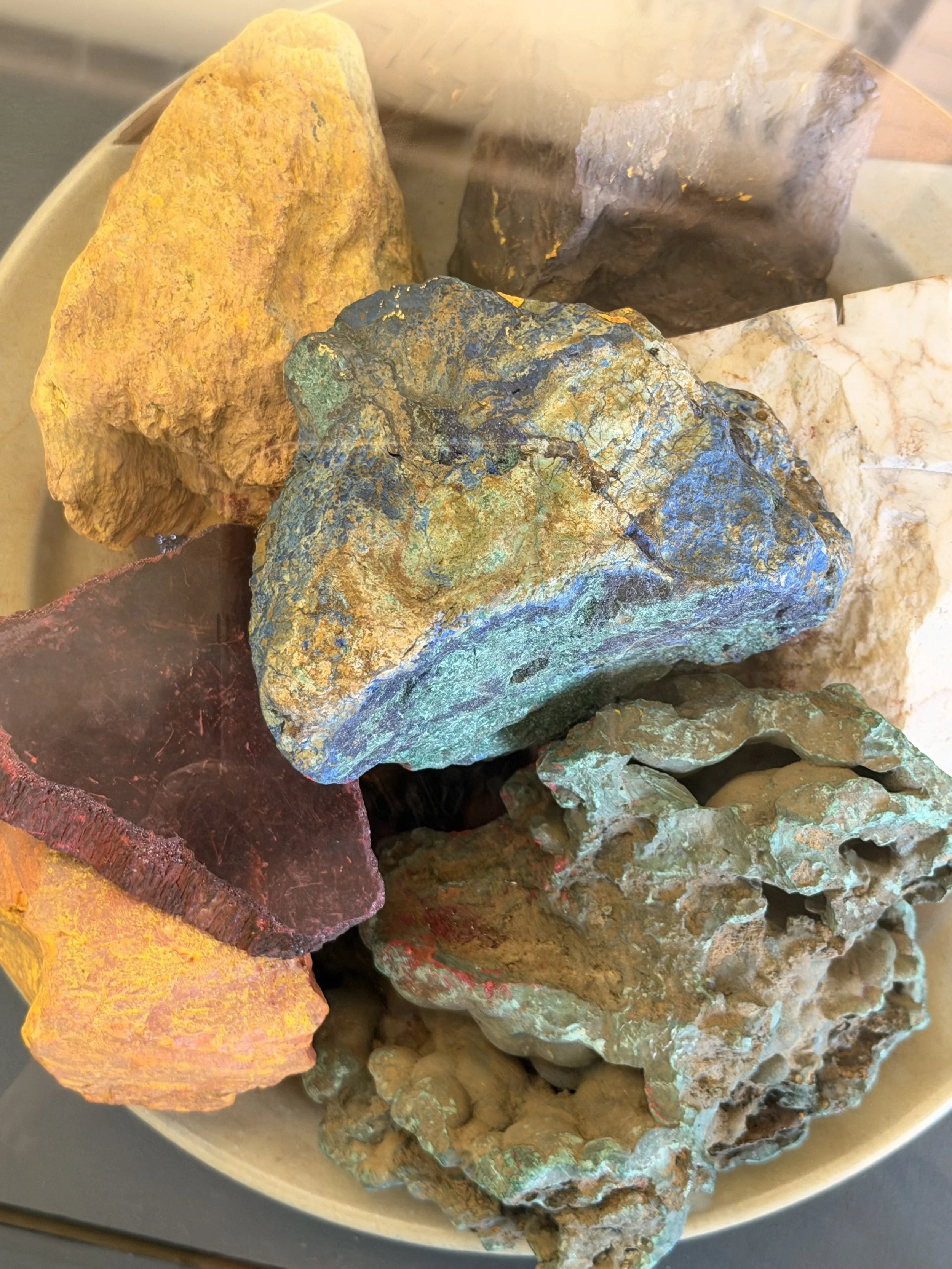
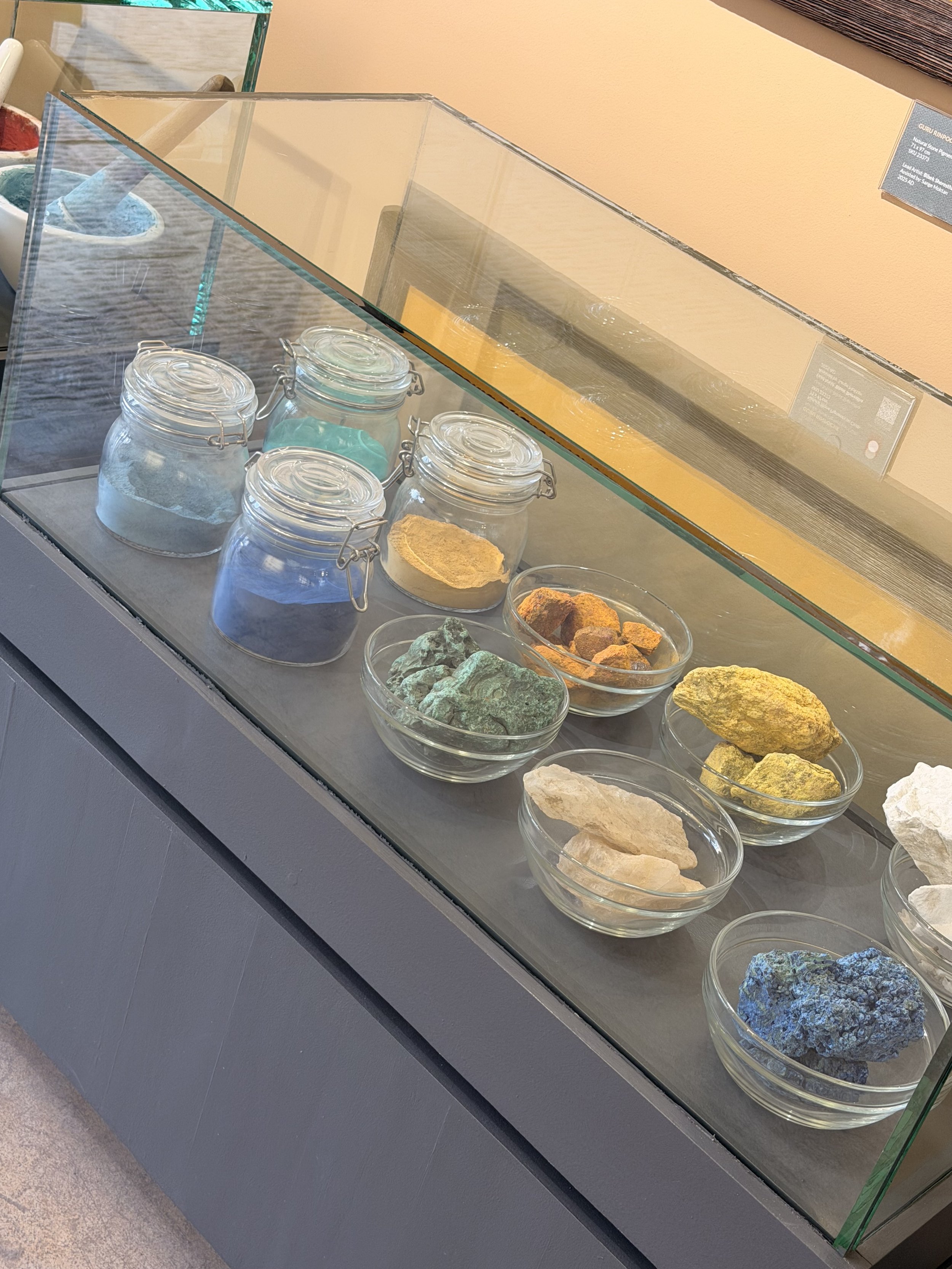
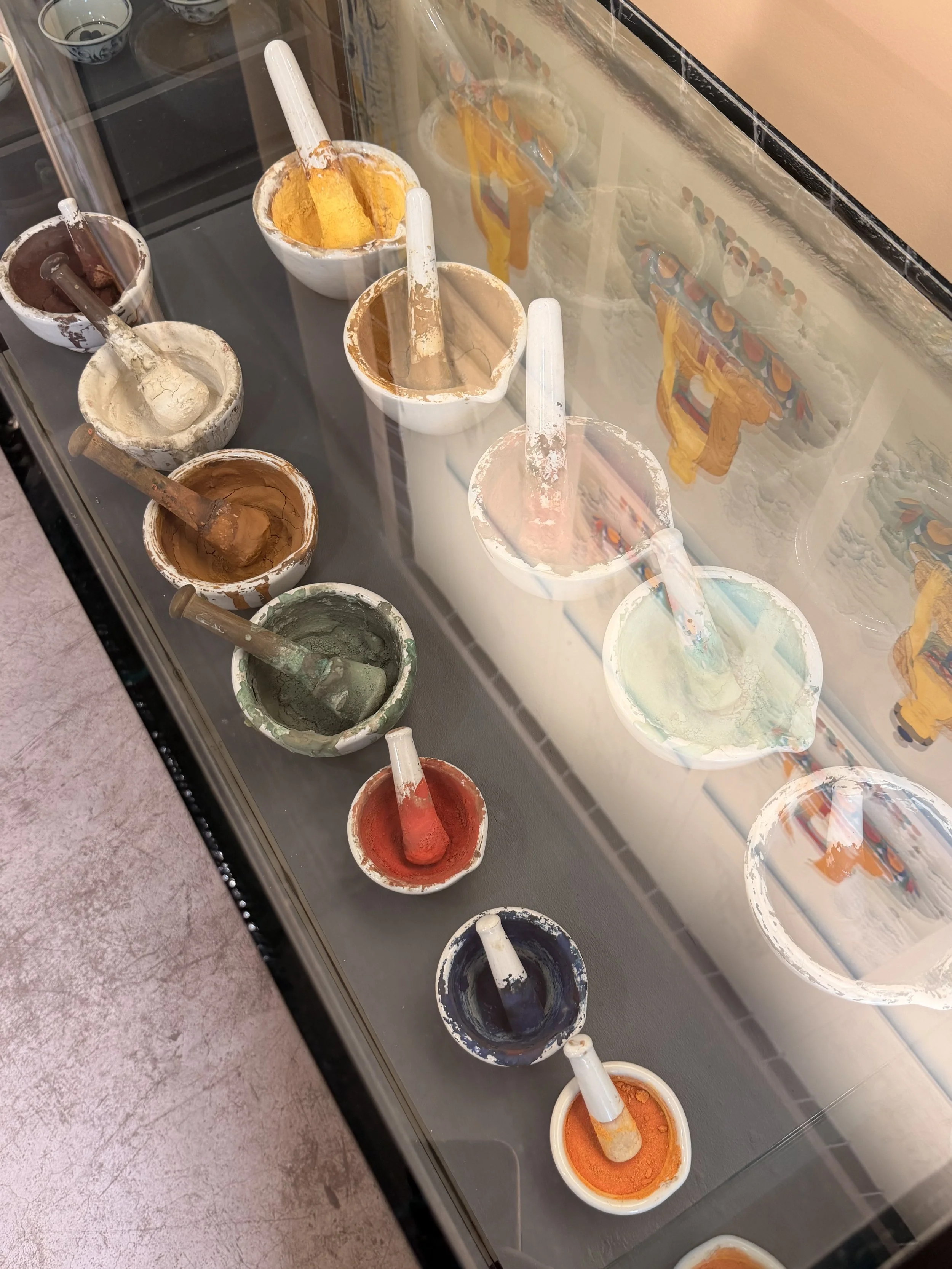
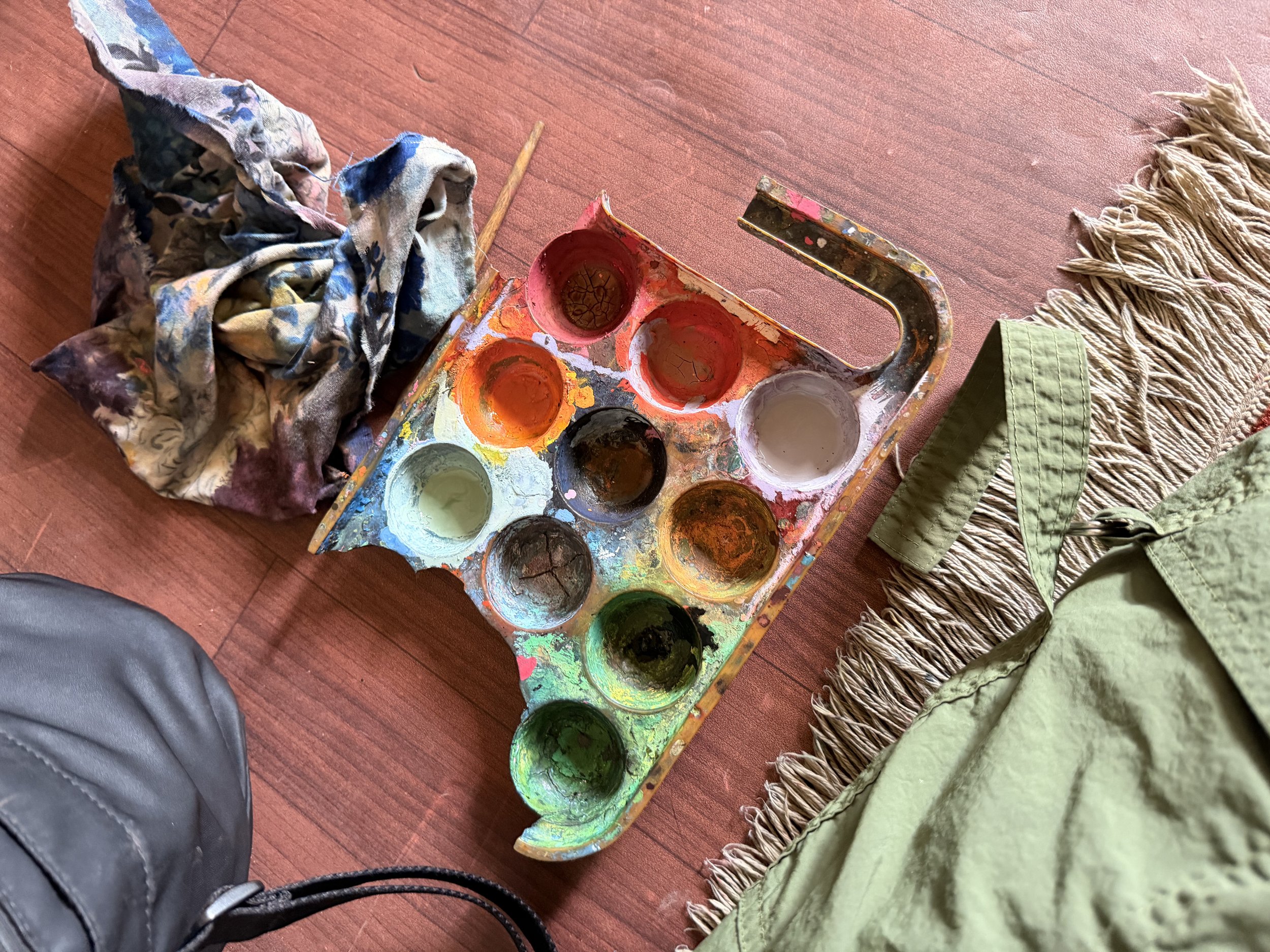
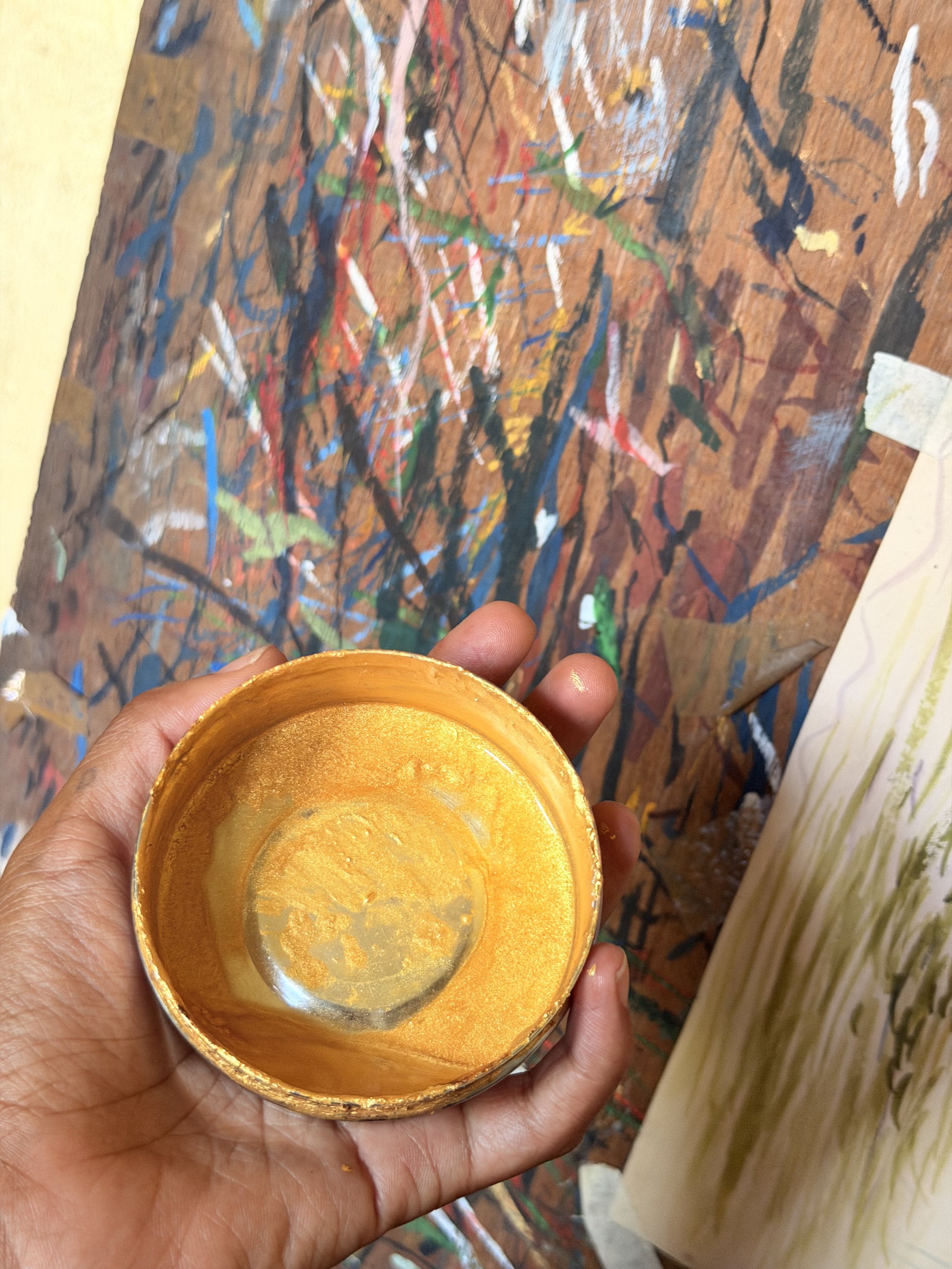
Crystal pigments are derived from ground crystals and raw earth materials, including vermillion and 24-kt gold, mixed with various substances to become painting pigment.
All photos taken by Sab between studio time in Pokhara and self-directed research in Boudha, Kathmandu.
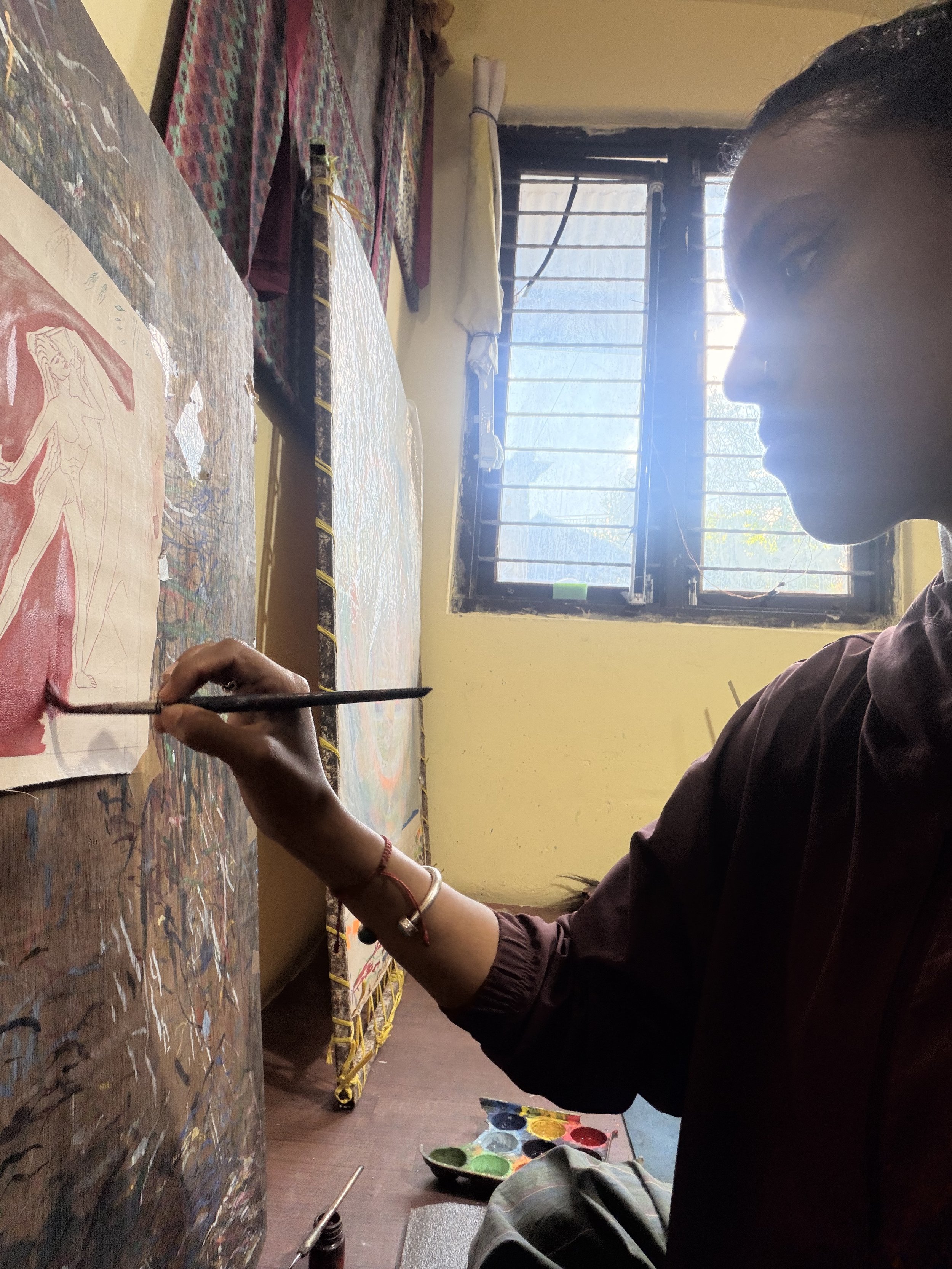
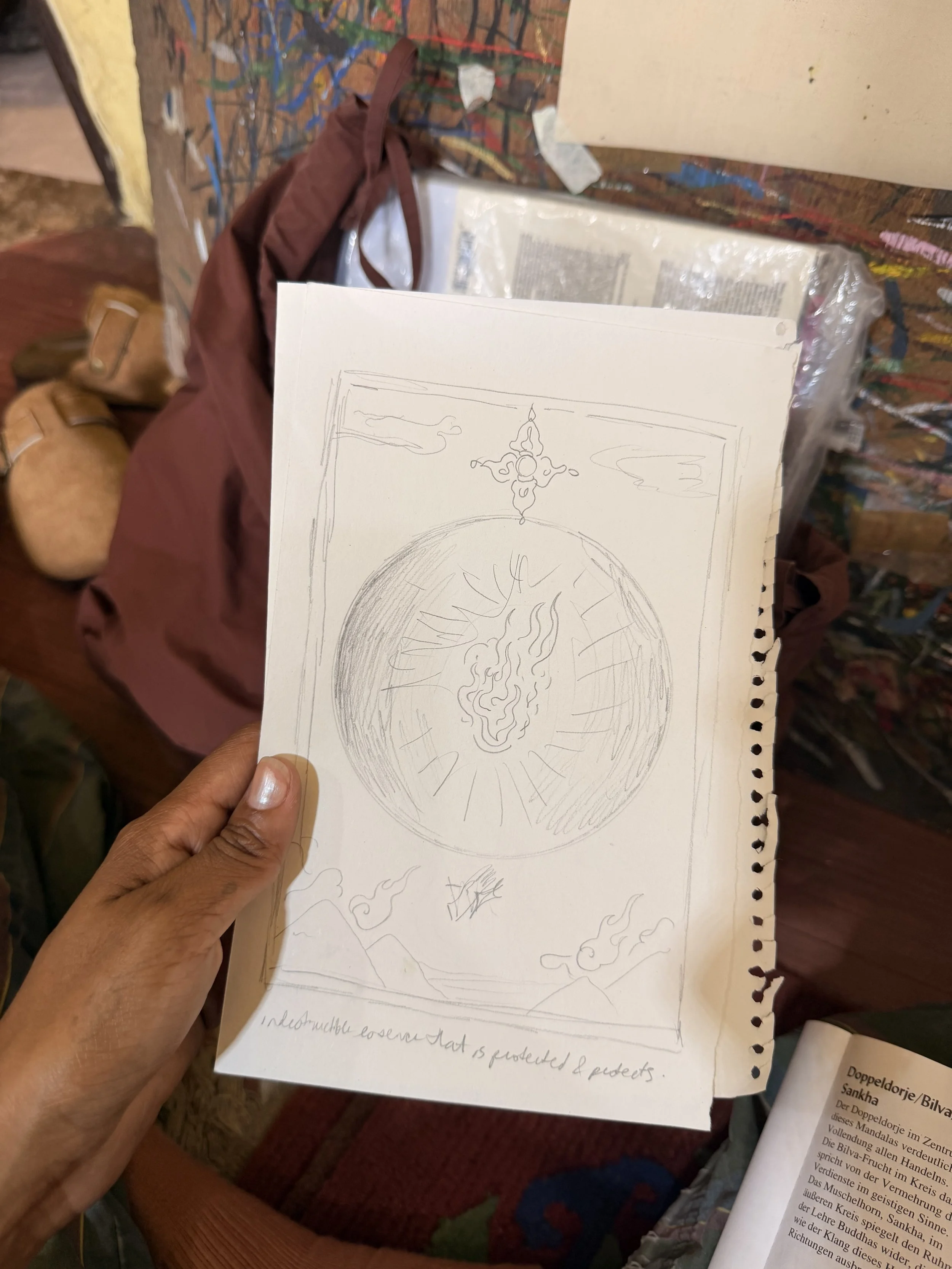
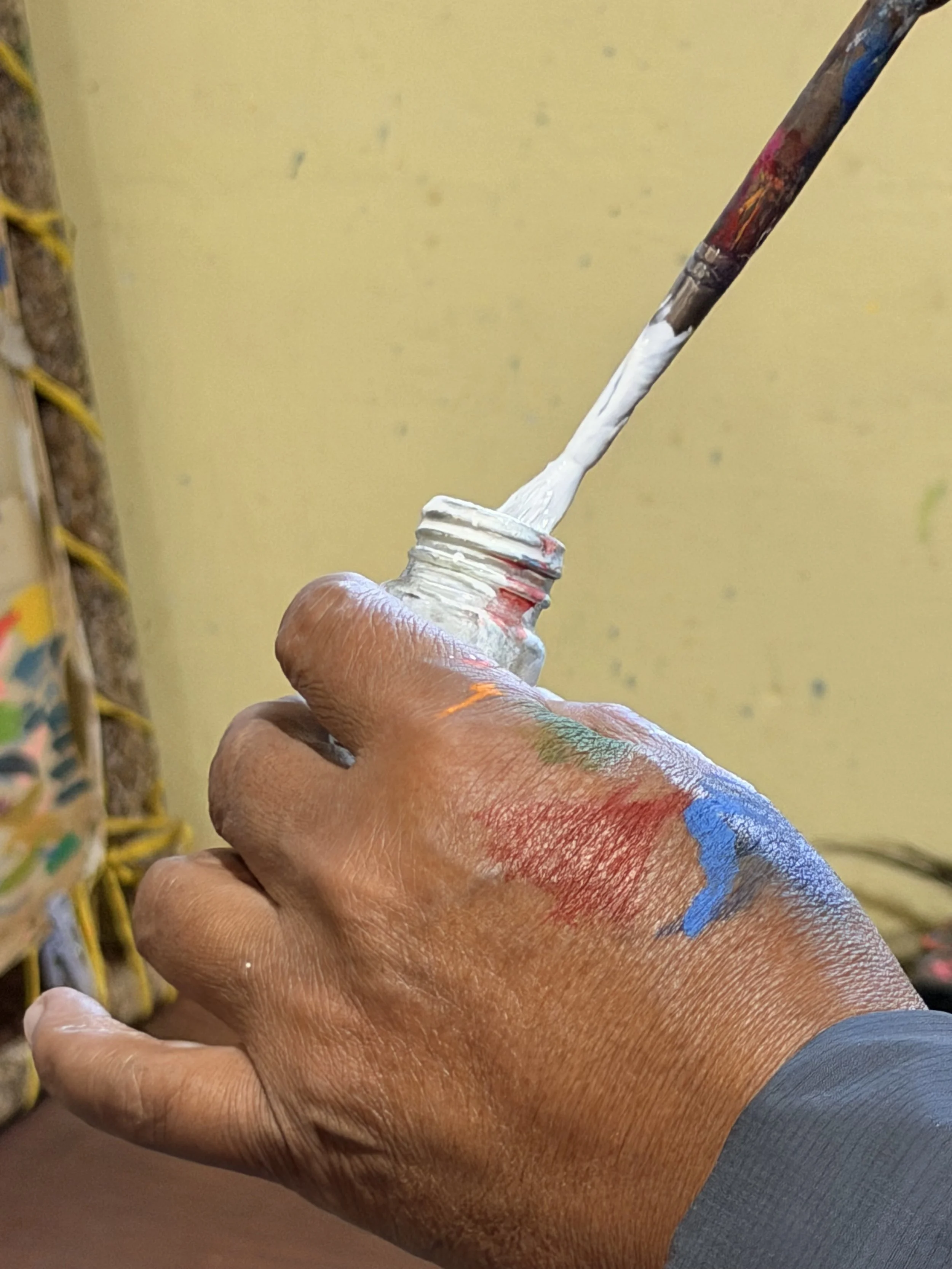
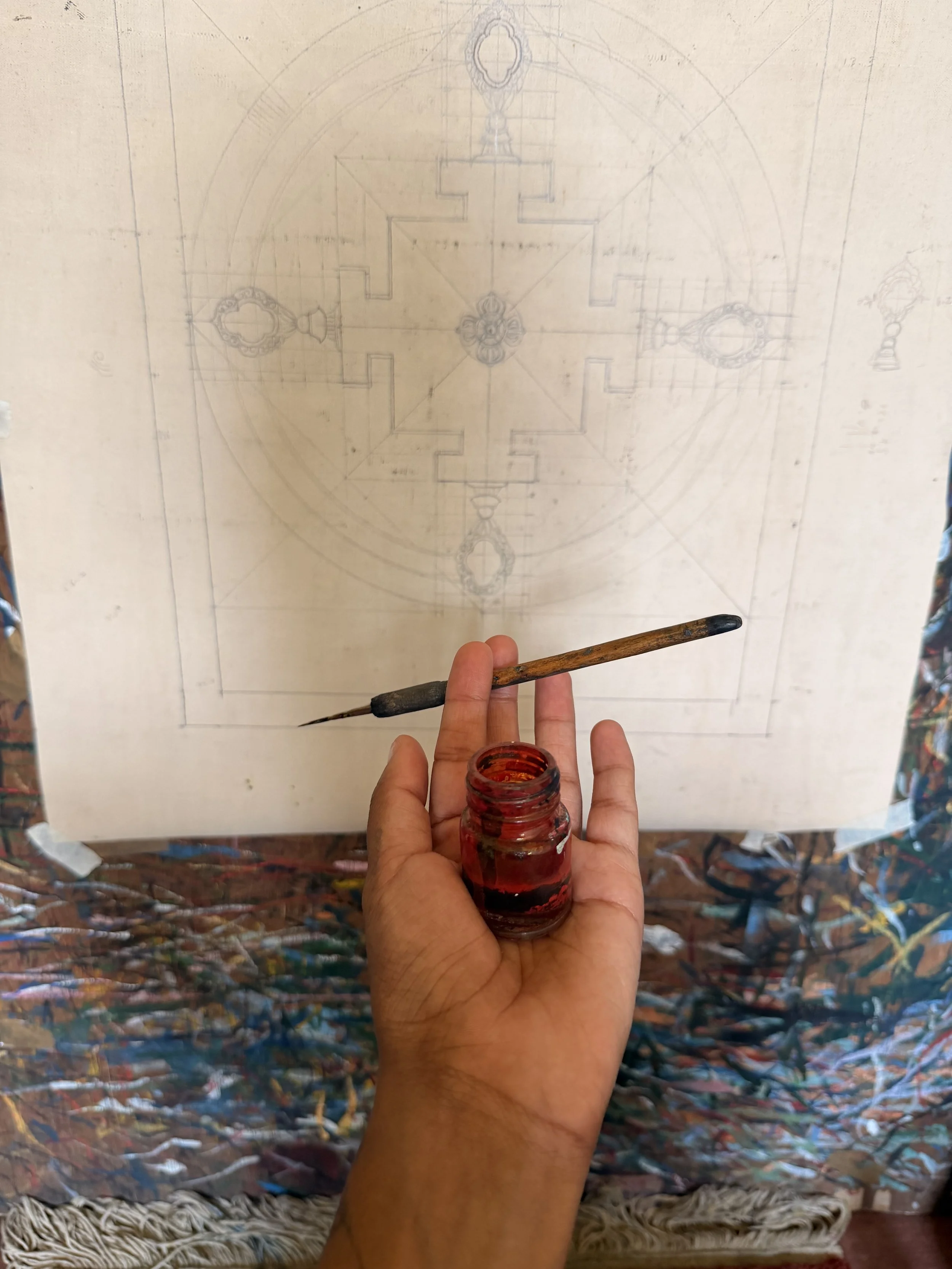
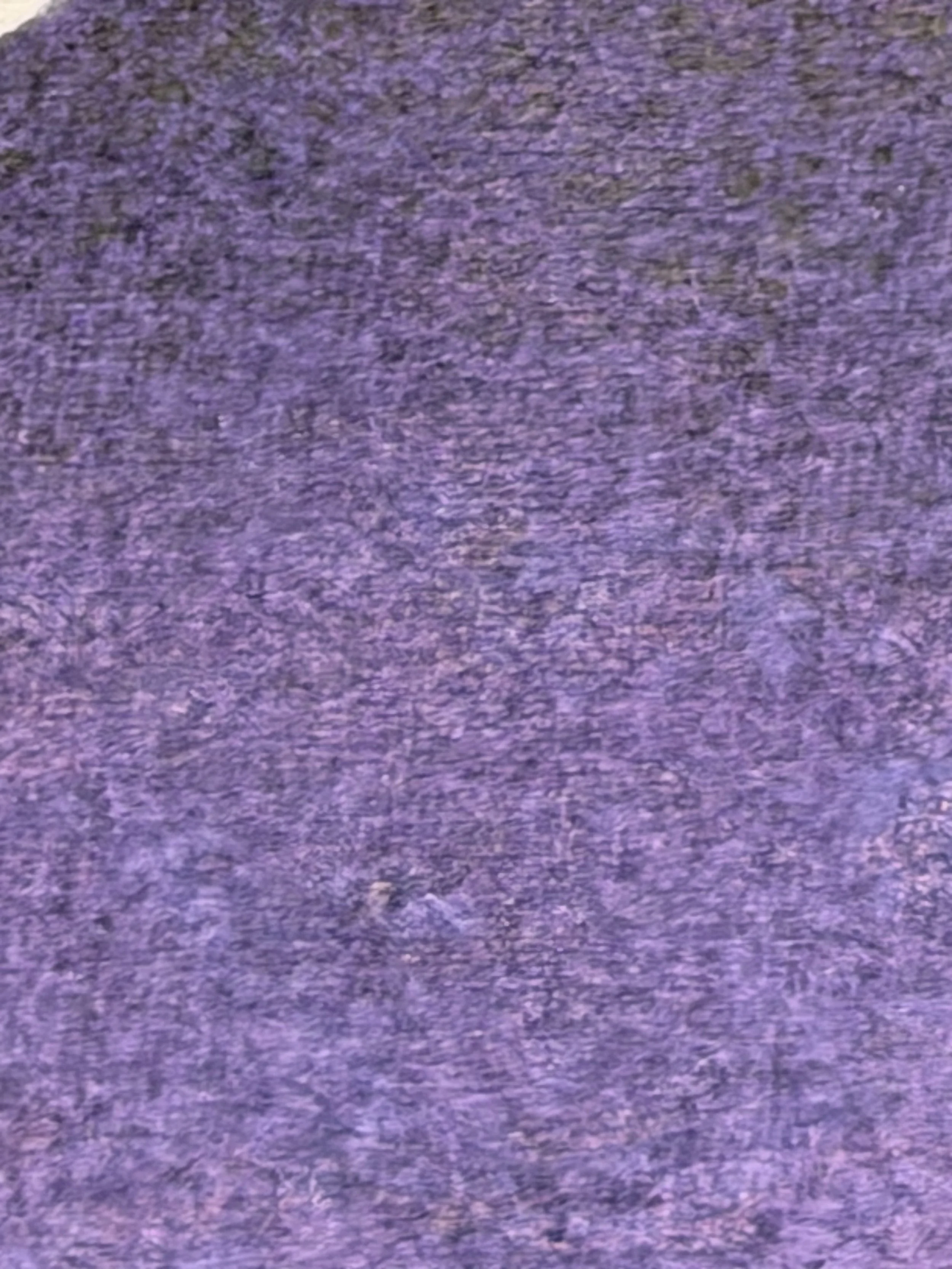
Studio shot during initial Vajrayogini deity piece, Intuitive freehand sketch requested by Master Lama, Sab holding the handmade Mongoose-hair brush & Vermillion pigment used for outlining after finalizing the translated composition, A detail shot of the gradient background composed of thousands of marks mimicking the vibrational quality of space in their texture painted over 12 hours
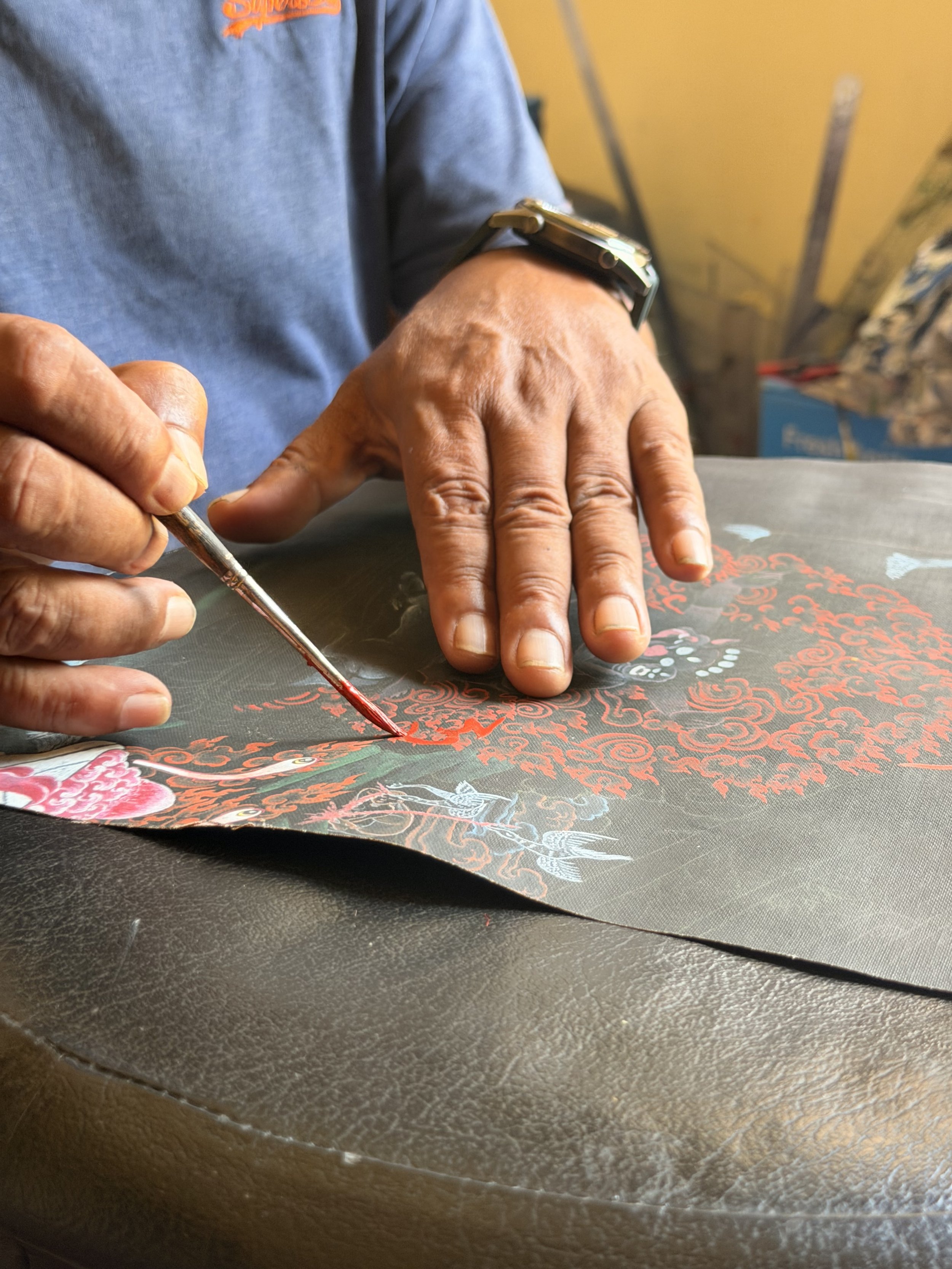
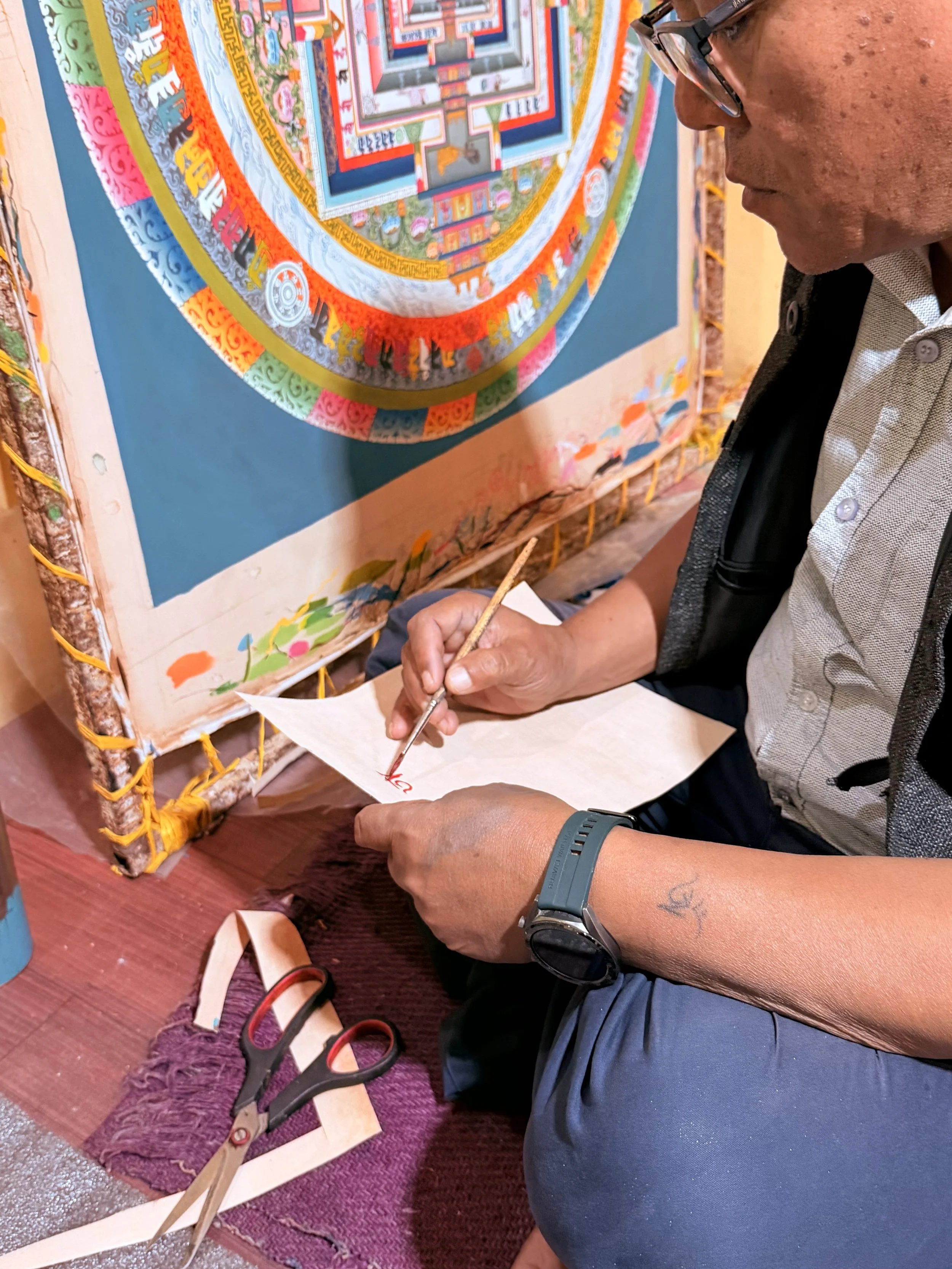
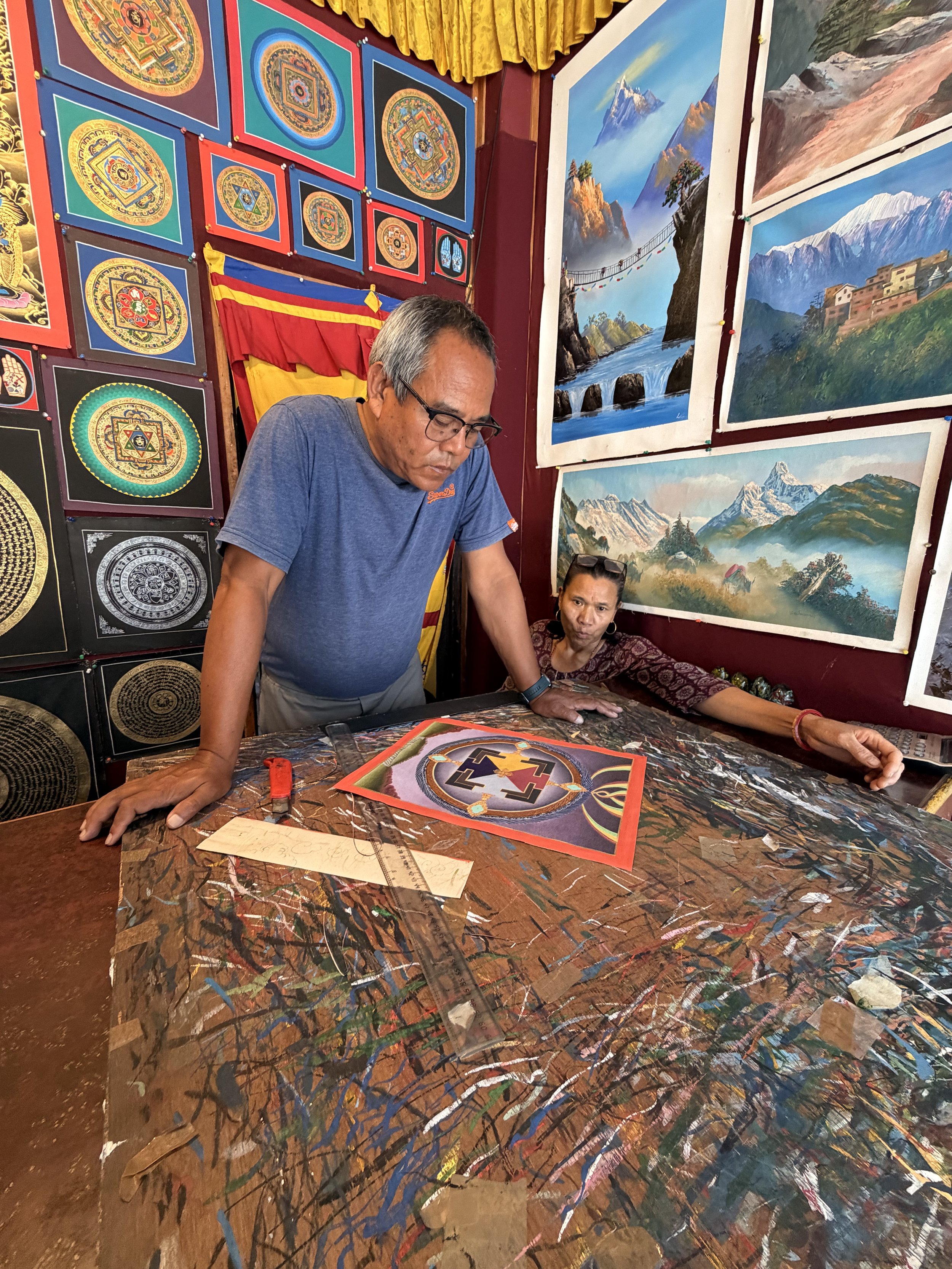
Master Lama mixing white pigment used only as accents, The ritual of Tibetan Mantras applied to energetically “activate” works upon completion, done only by the Master, Master Lama and his wife examining Sovereign after the ritual blessing and cutting away before packing for transport to Canada, Videos depicting the detail of Sovereign and Sab working in studio,
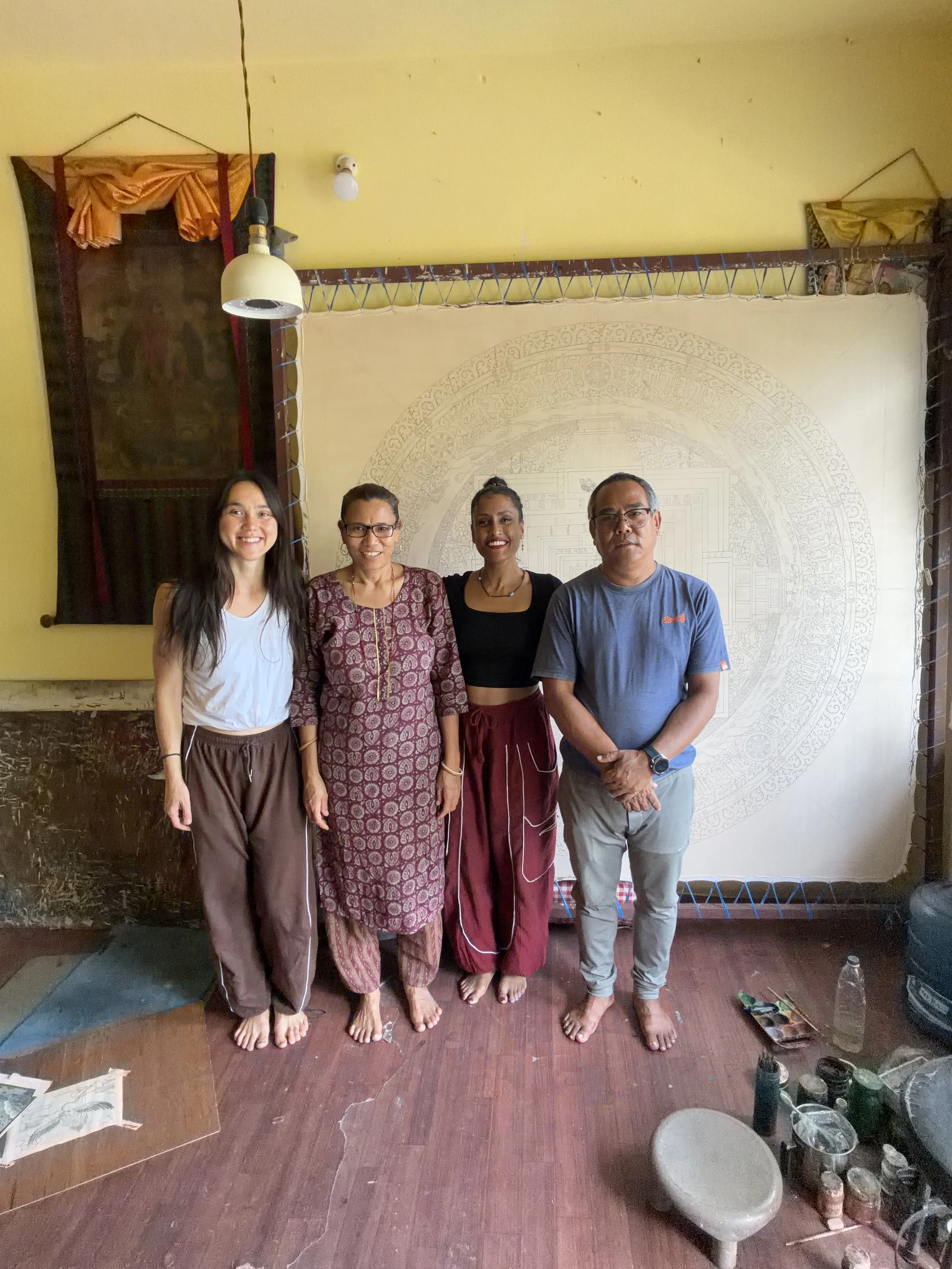
Final day of school with fellow student Anita Nicholls , Master Lama’s Wife, Sab, and Master Lama.